VOLTIC EMS
Local energy control for complex EV charging environments
The Voltic Energy Management System (Voltic EMS) runs on Voltic Edge, an on-site server that manages how energy is distributed across EV charging stations, renewable production and battery storage systems while respecting other loads, and the grid connection.
The result: reduced energy costs, higher charging capacity, and reliable scaling without grid upgrades.

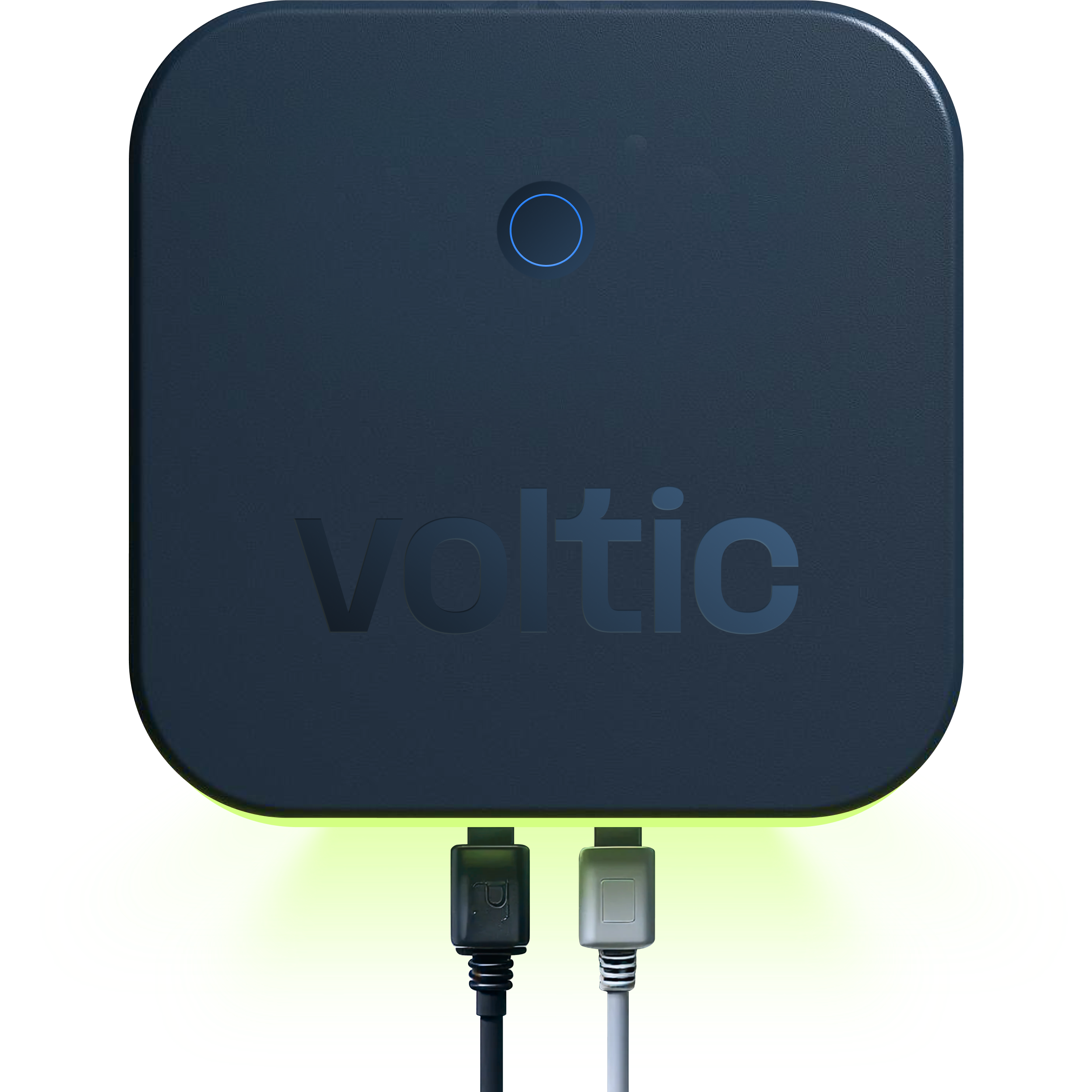

WHY VOLTIC EDGE
Why a local Edge layer matters
Cloud-only platforms have fundamental limitations in safety-critical environments. Voltic EMS runs locally, which enables:
Instant Response
Instant response to changing loads - no dependency on network latency
Infrastructure Protection
Protects breakers and cables in real time - prevents overloads before they happen
Offline Resilience
Charging stays online even when your internet doesn't - full offline operation
Assets Integrations
Direct connection with smart meters, BMSs, solar production and BESSs
Local Enforcement
Power limits enforced on-site - no risk from delayed remote commands
Cybersecurity by Design
Runs inside your local network - minimal external attack surface
CORE CAPABILITIES
What Voltic EMS does
Voltic EMS orchestrates energy flow across all relevant assets at a site, by controlling the way how charging stations and battery energy storage systems are used.
Ensures safe, predictable power distribution while respecting electrical system constraints. Supports multiple models depending on site complexity.
- Static Load Balancing - fixed limits per charging station or group of charging stations
- Dynamic Load Balancing - real-time adjustment based on live consumption
- Multi-Level Load Balancing - optimization across multiple infrastructure layers
Defines how available power is allocated between active charging sessions once load management constraints are satisfied.
- Priority-based charging for critical vehicles
- Departure-time and SoC-aware scheduling
- Energy-proportional distribution across sessions
Reduces peak demand costs, maximizes renewable energy usage, and increases effective site capacity through smart battery integration.
- Peak demand reduction with BESS
- Time-of-use tariff optimization
- Solar self-consumption maximization
Voltic EMS runs locally on Voltic Edge, separating real-time energy control from cloud-based fleet management.
- Three-layer architecture - Edge, Cloud, and Connected Assets
- Offline-resilient local operation
- Protocol support - OCPP 1.6, Modbus RTU, Modbus TCP/IP, MQTT, REST


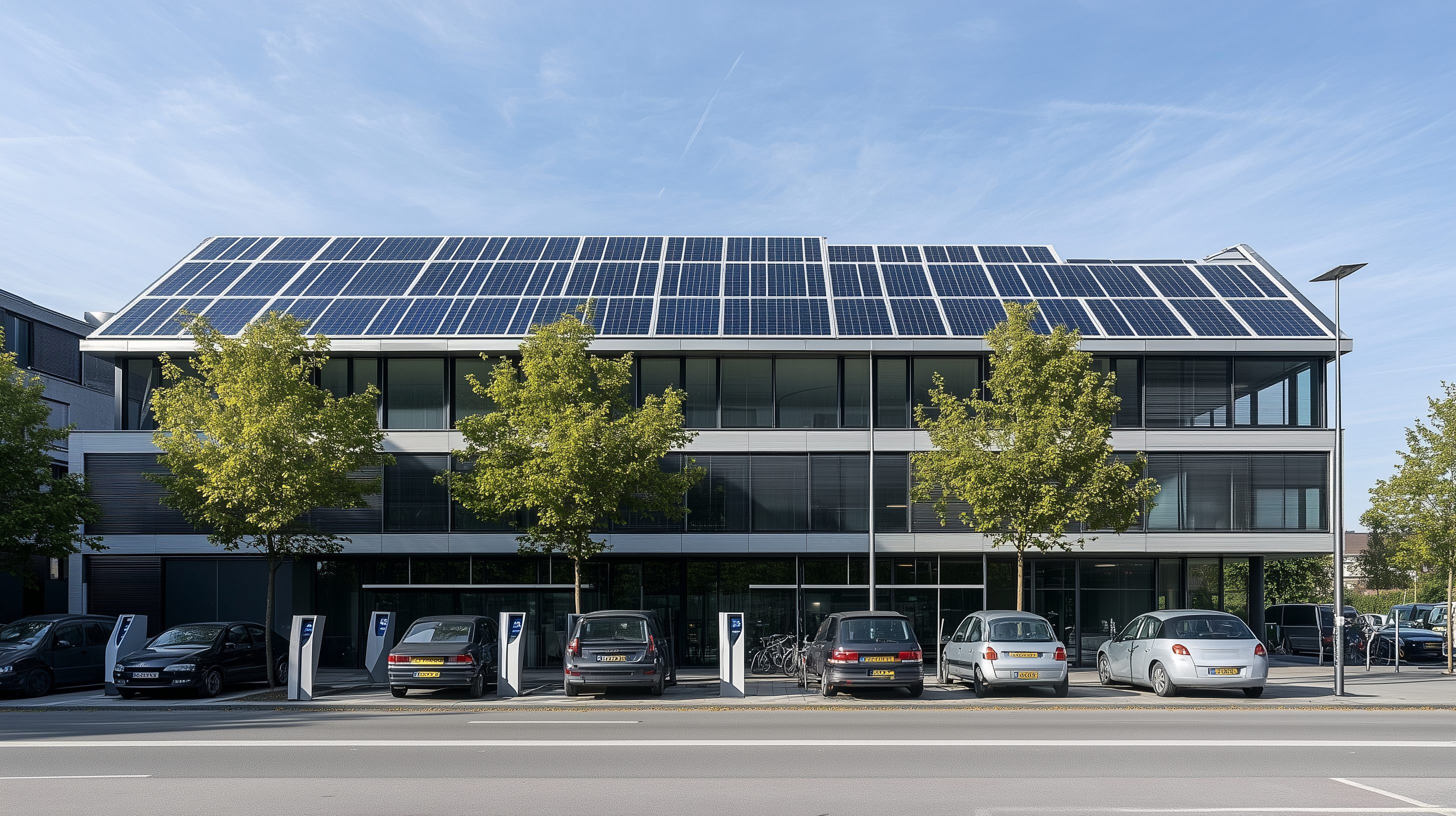


Together, Voltic Edge and Voltic Cloud help operators scale charging without grid upgrades, reduce operational risk, and maintain stable performance across sites.
This enables EV charging to be integrated into existing infrastructure while maintaining safety, reliability, and predictable operations.

USE CASES
Designed for real infrastructure
Limited Power Networks
Your building has 200kW available but 300kW of chargers to run
Large Buildings & Campuses
Multiple floors, parking zones, and tenants sharing one grid connection
Fleets & Depots
Every vehicle must be ready by departure - no exceptions
Mixed-Use Commercial Sites
EV charging competes with HVAC, elevators, and tenant loads
Multi-Site Deployments
Centrally managed, locally controlled
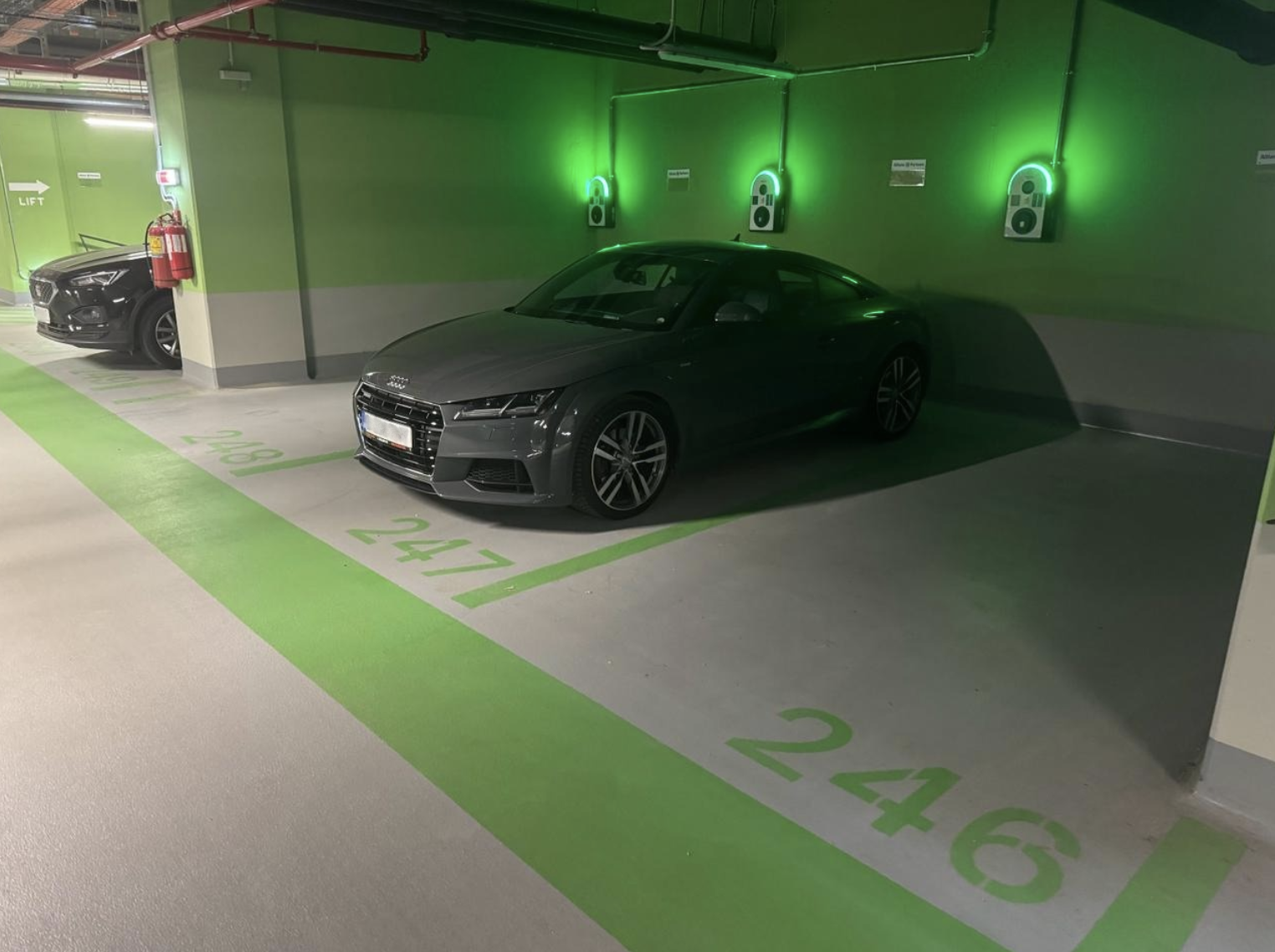
See it in action - U Center 2 in Bucharest runs 56 stations under fixed power limits with Voltic EMS.
Read the case studyRunning depot charging with fixed departure times?
Explore the fleet charging setup