PEAK SHAVING & LOAD SHIFTING
More charging capacity. Lower energy costs.
Voltic EMS works with battery energy storage to keep your site within its grid limit and shift charging to cheaper time windows - automatically.
The result: lower energy costs, better use of solar, and more charging capacity without a grid upgrade.
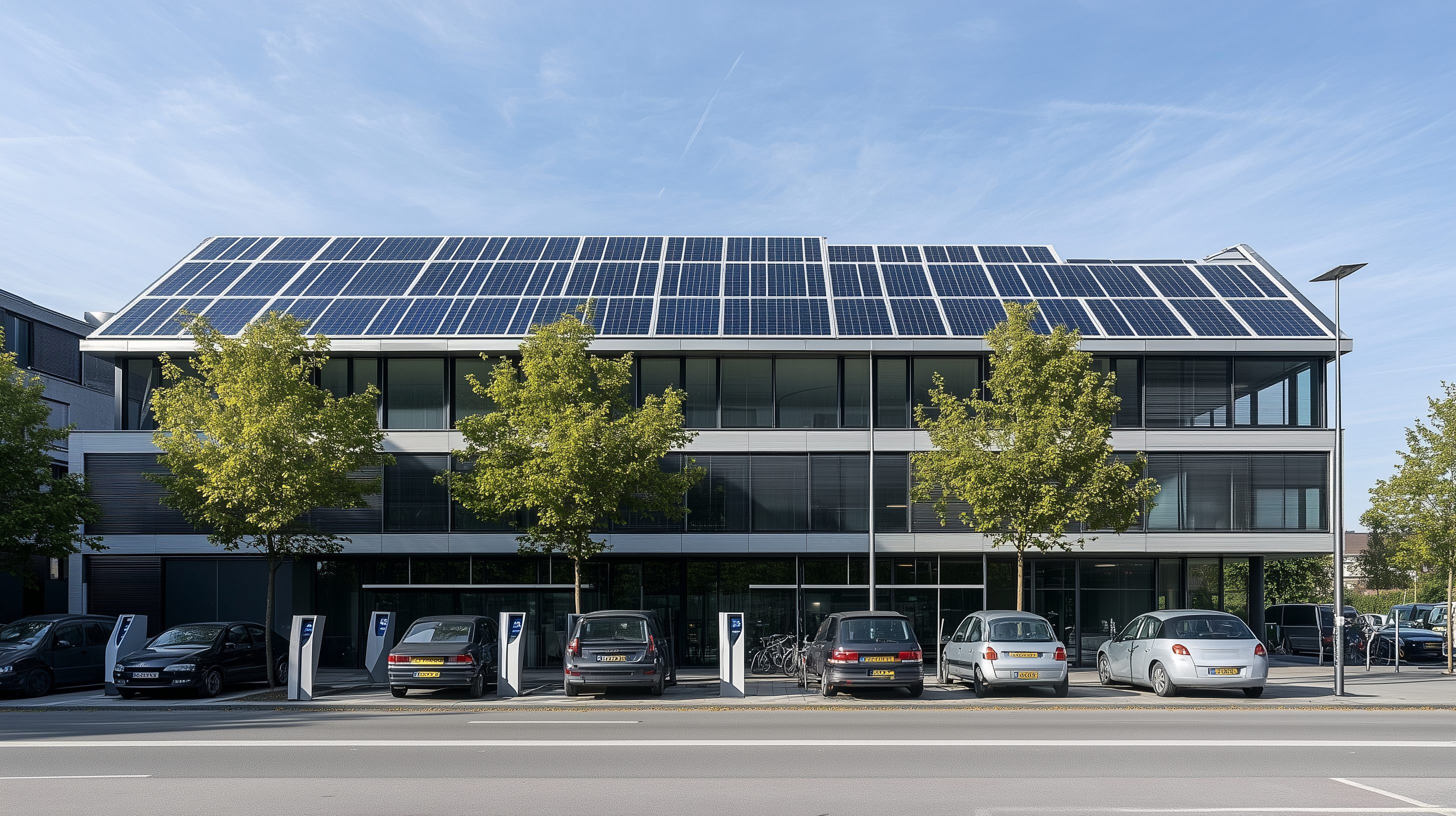

PEAK SHAVING
More charging power
Deploy more charging power on the same grid connection, without applying for a grid capacity upgrade.
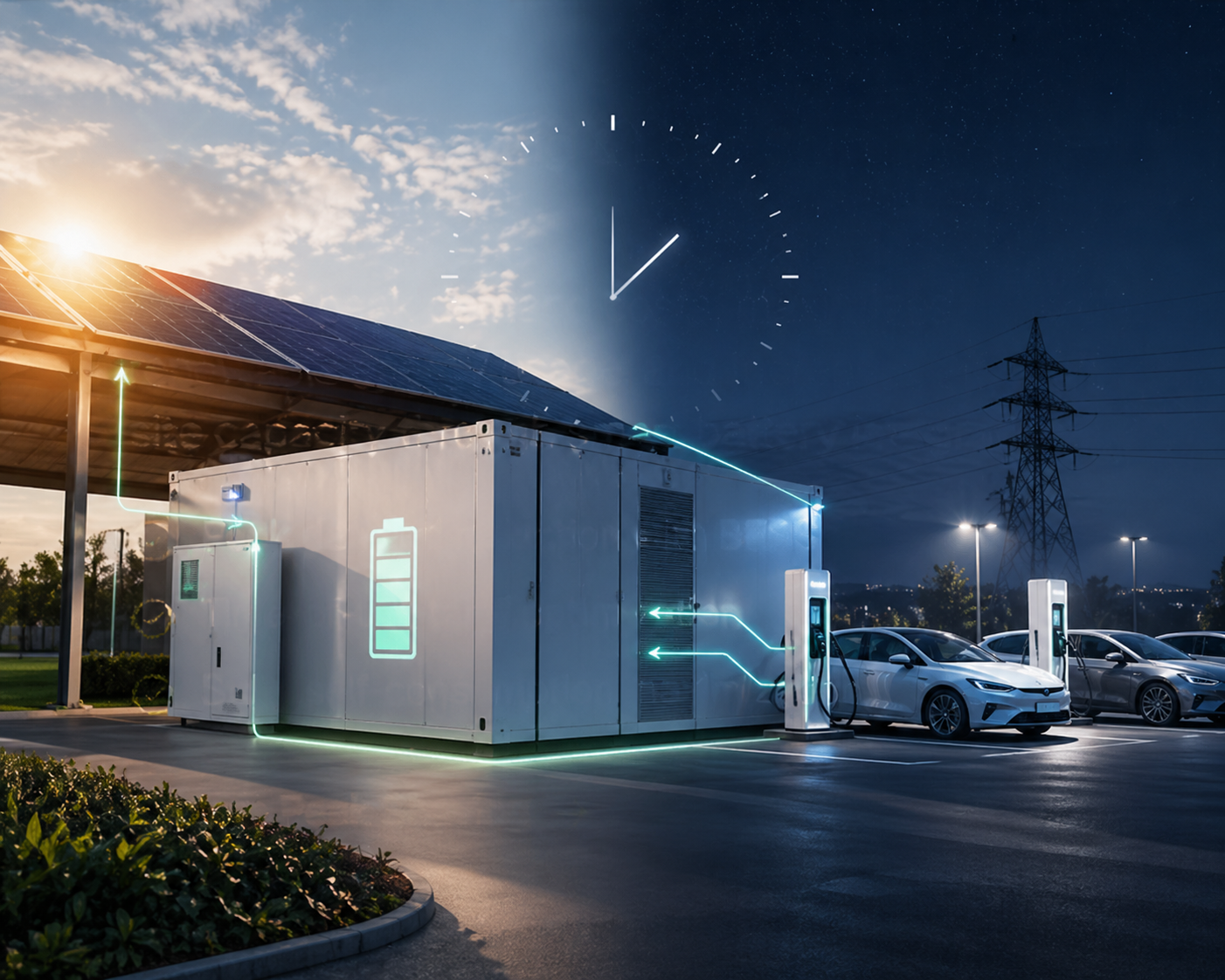
What it is
Voltic Edge uses on-site battery energy storage system to absorb excess load during peak charging demand, keeping the site within its contracted grid limit.
When demand drops, batteries recharge, ready for the next peak.
When to use it
How it works
Threshold Set
You define a peak power limit - for example, 150 kW from the grid connection
Battery Kicks In
When charging demand approaches that limit, the battery discharges to cover the difference
Auto Recovery
Once demand drops, the battery recharges automatically, ready for the next spike
Limit Guaranteed
The grid never sees a peak above your defined threshold - your site operates within its contracted capacity, without a grid upgrade
LOAD SHIFTING
Charge when electricity is cheap. Deliver when vehicles need it.
Instead of drawing from the grid at peak rates, Voltic Edge uses stored or solar energy to charge vehicles when electricity costs least.
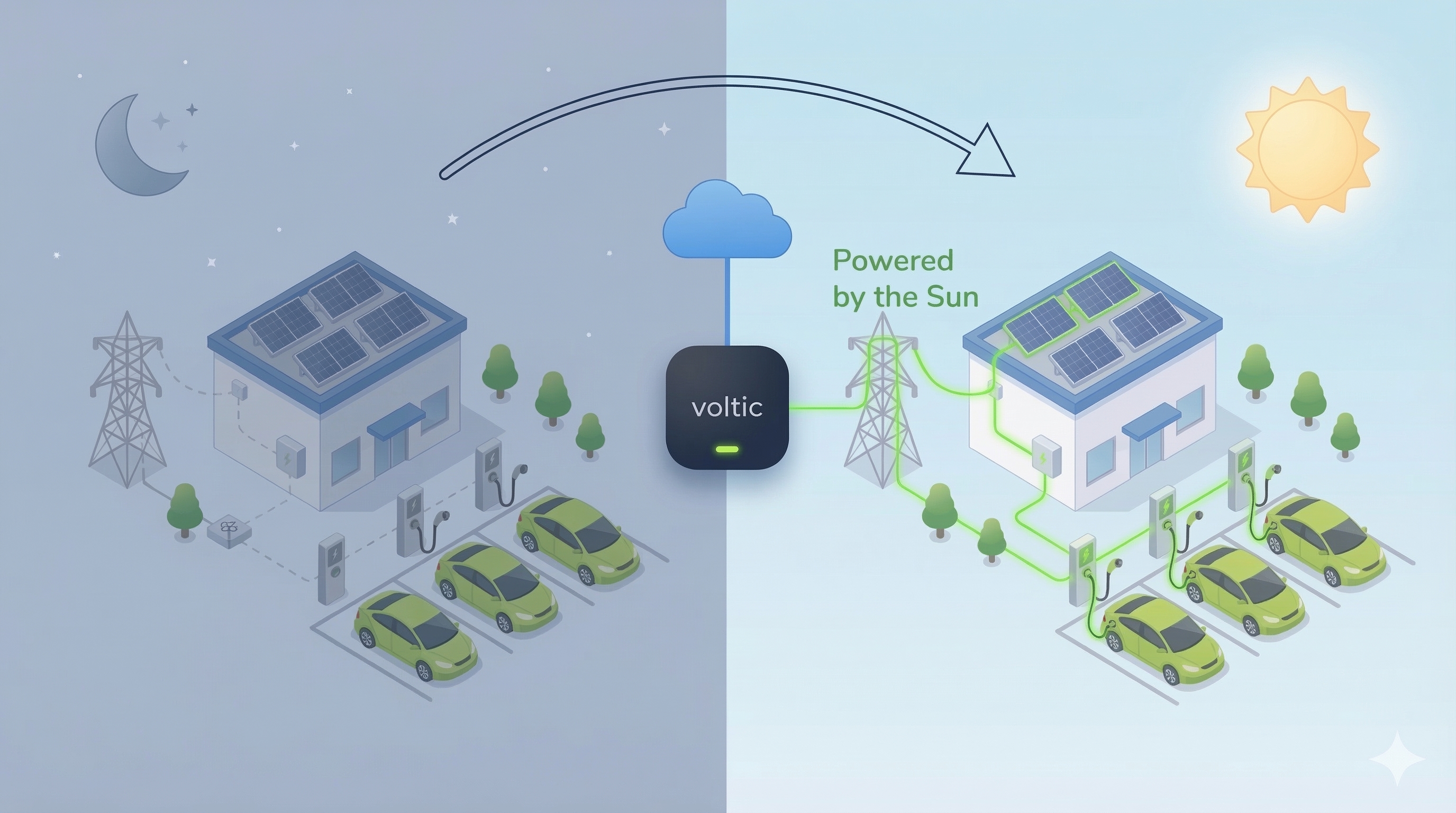
What it is
Load shifting lets your system decide when to draw energy from the grid, not just how much. By combining battery storage with vehicle charging schedules, Voltic Edge delivers the right amount of energy at the right time, automatically pulling from the grid when rates are low and relying on stored energy when they're not.
The result: every vehicle charged on time, at the lowest possible energy cost.
When to use it
How it works
Demand Forecast
Voltic Edge reads charging needs from connected vehicles target state of charge, departure times, and session priorities
Optimal Schedule Built
The system plans when to deliver energy: drawing from the grid during cheap off-peak windows, battery storage during expensive periods, solar when available
Charging Delivered on Time
Every vehicle gets the energy it needs by departure without overpaying for the kWh used to get there
Cost Reduced, Automatically
The same charging outcome, at a lower energy cost and no manual intervention, no scheduling by hand
Explore Architecture & Security