LOAD MANAGEMENT
EV Charging Load Management
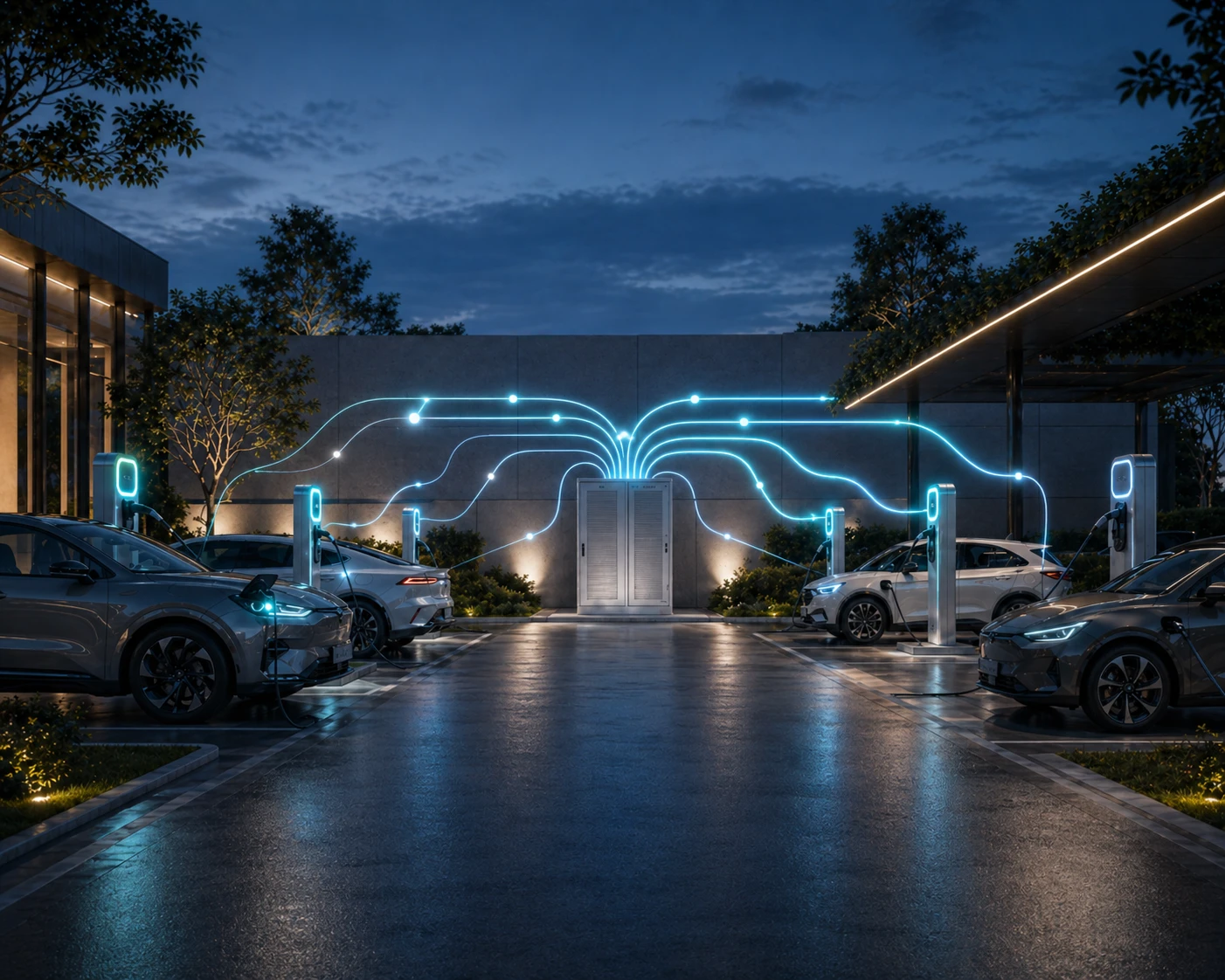
Whether your site has 5 chargers or 500, Voltic EMS matches the right load management approach to your electrical setup - and they can be combined as your site grows.
The goal: maximize charger utilization without exceeding electrical limits or requiring grid upgrades.

SIMPLE SITES
Static Load Balancing
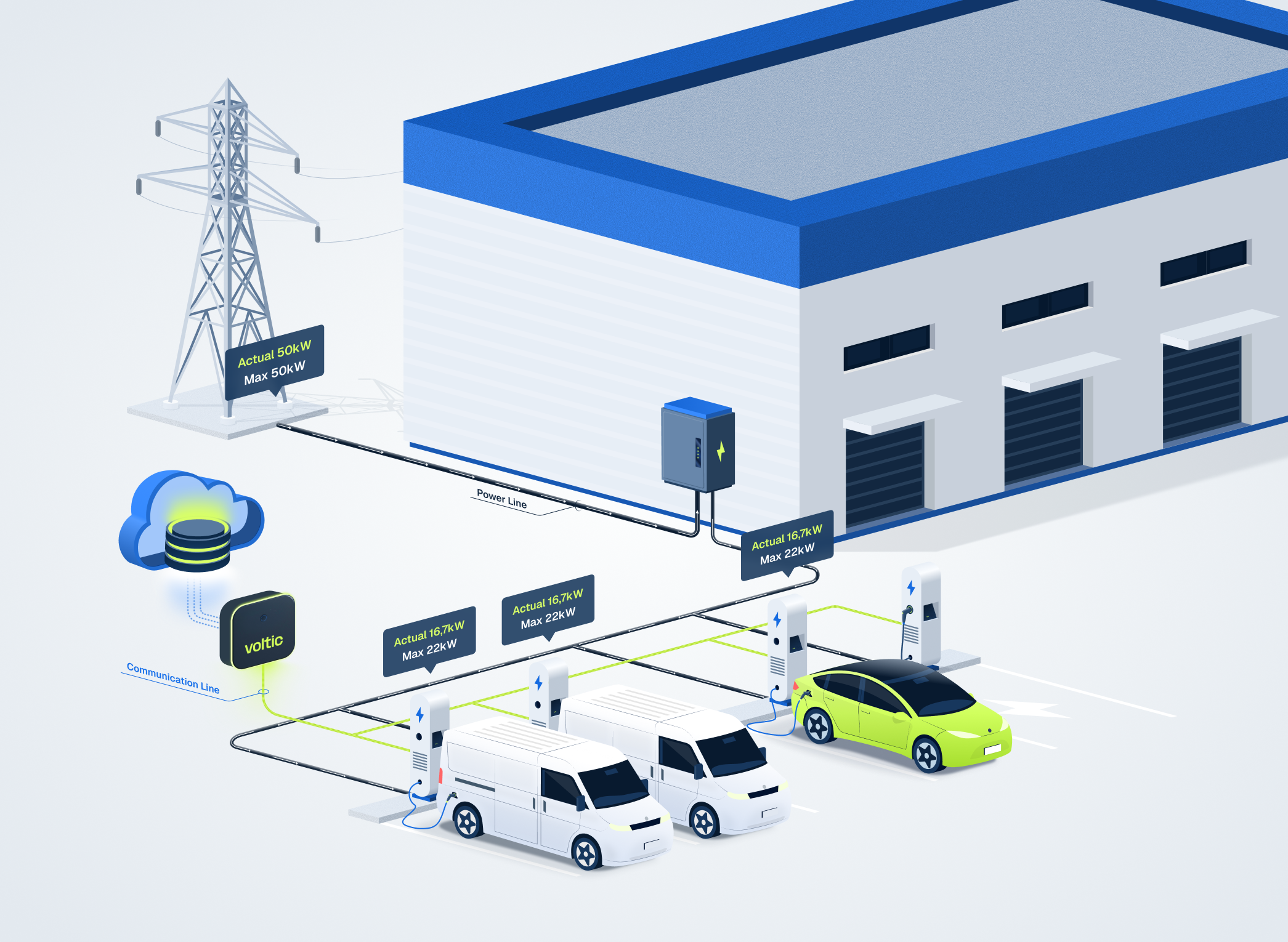
A predefined method of distributing available electrical power among EV charging stations using fixed electrical limits.
What it is
Each charger or group of chargers gets a fixed maximum power value, set once during installation. These limits don't change based on what else is happening in the building.
The system guarantees that total charging power never exceeds what your electrical infrastructure can safely handle - protecting breakers, cables, and equipment automatically.
When to use it
Key safeguards
Per-Station Limits
Each charger or group gets its own ceiling - no single station can starve the others
Phase Balance
Power is distributed evenly across L1/L2/L3, preventing phase imbalance trips
Breaker Protection
Limits are tied to actual breaker ratings and cable capacity, not charger specs
Always Within Capacity
Even if every charger is active, aggregate draw never exceeds your defined limit
VARIABLE LOADS
Dynamic Load Balancing
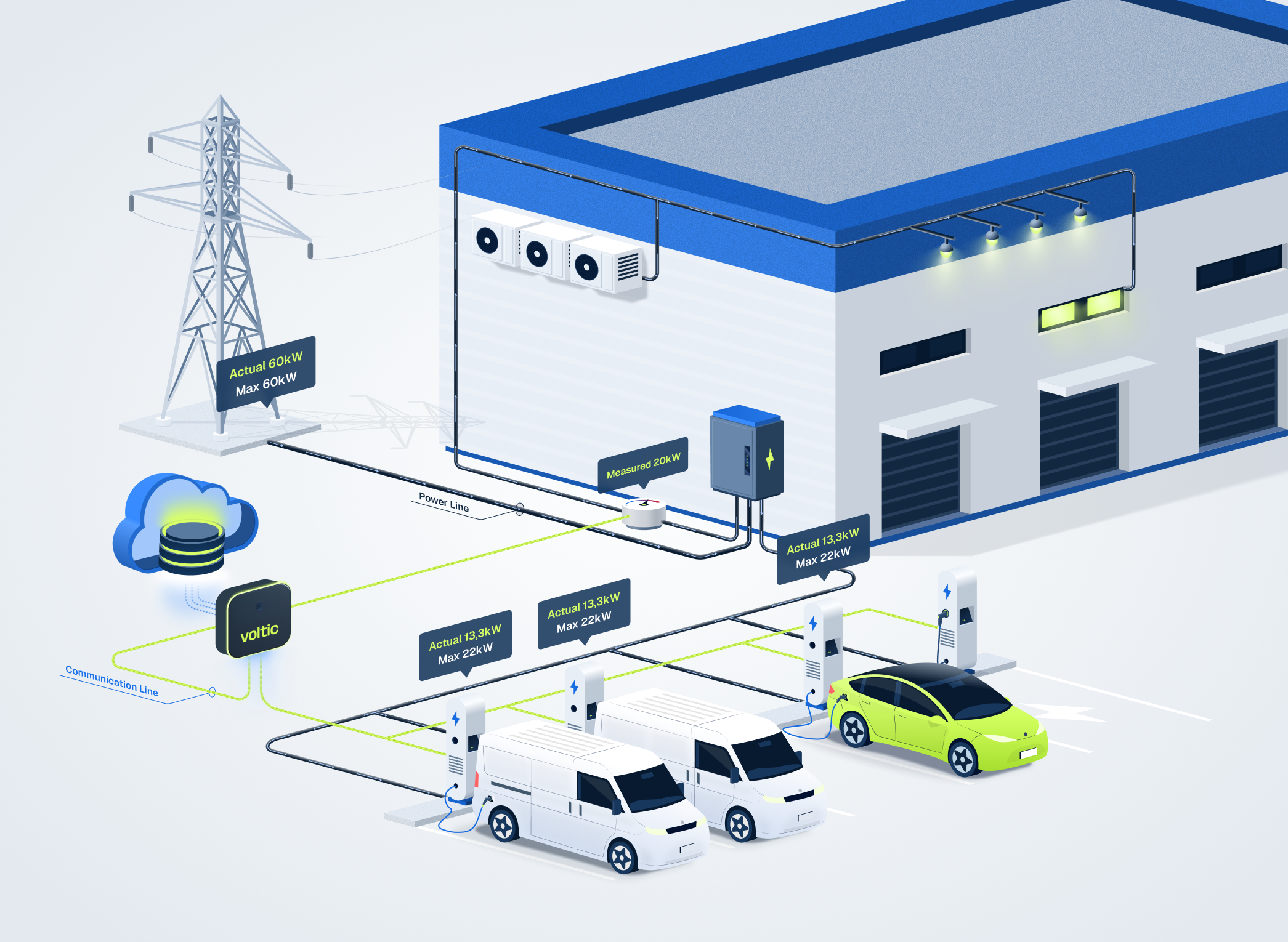
Extends static load balancing by continuously adjusting available charging power based on live measurements of other electrical loads.
What it is
Voltic Edge connects to your smart meters or building management system and watches what the rest of the building is using - HVAC, lighting, machinery, everything.
When other loads spike, charging power drops automatically. When they ease off, chargers ramp back up. Your site always stays within safe limits without manual intervention.
When to use it
Under the hood
High Response Reads
Meter data is sampled continuously - the system reacts to load changes within seconds
Smooth Ramping
Chargers ramp up and down gradually, avoiding sudden current swings on your supply
Protocol Agnostic
Works with OCPP, Modbus, MQTT, REST - no single-vendor lock-in
Failsafe Defaults
If meter communication drops, chargers fall back to safe static limits automatically
MULTI-BUILDING SITES
Multi-Level Load Balancing
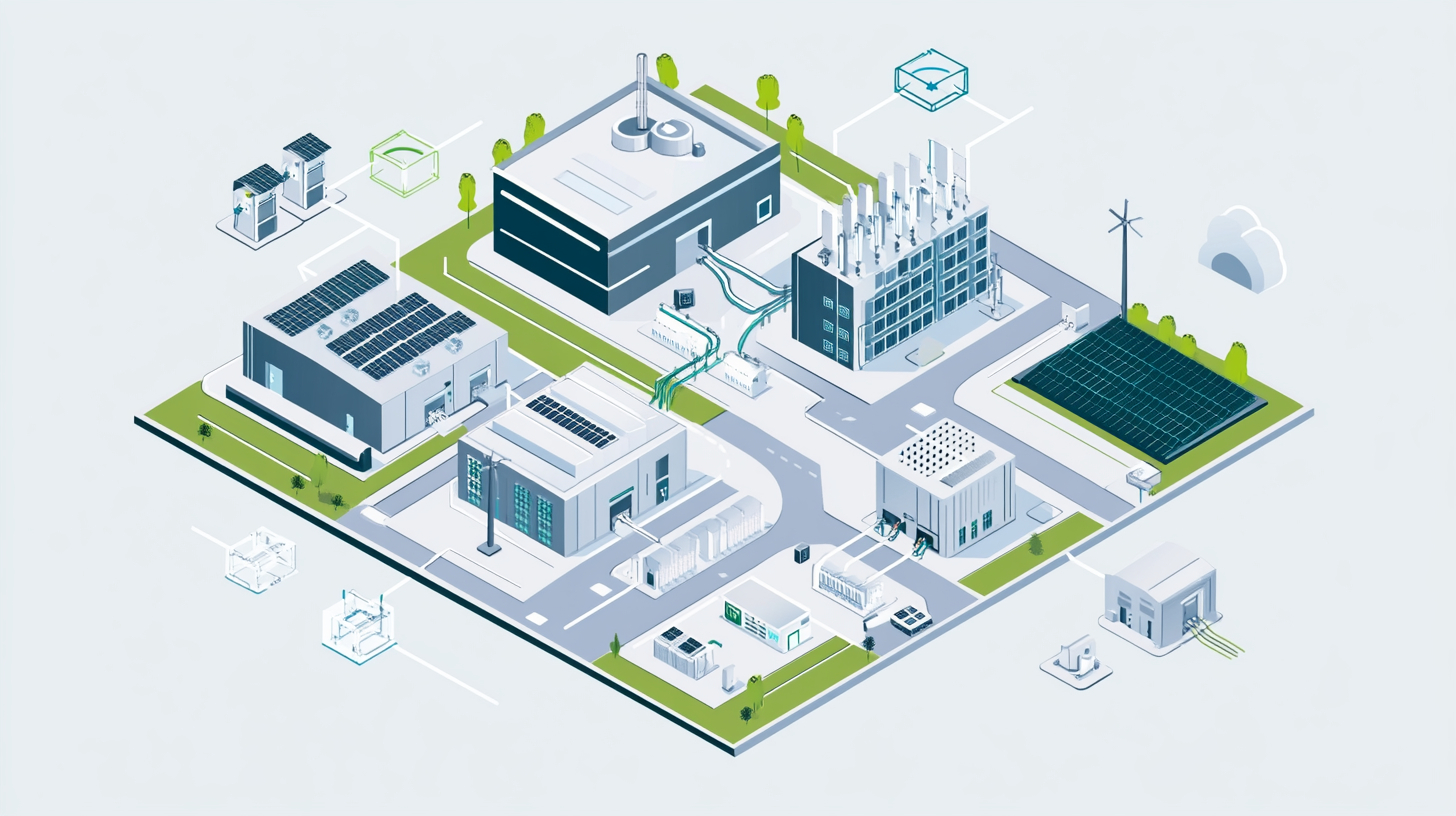
Optimizes power distribution across multiple electrical infrastructure layers - from individual chargers to site and building-level limits.
What it is
Instead of managing one charging area in isolation, the system understands your entire electrical layout - from the grid connection through building-level breakers down to individual charging zones.
Each level can have its own power limits, but every zone respects the limits above it. The result: multiple buildings or parking areas share one grid connection safely and efficiently.
When to use it
How it coordinates
Top-Down Limits
The grid connection sets the ceiling - every level below inherits and respects it
Layer-by-Layer
Each sub-panel or zone gets its own budget, carved from the level above
Live Rebalancing
When one zone uses less, freed capacity is redistributed to zones that need it
Mixed Metering
Combine static limits on some levels with dynamic metering on others - no all-or-nothing

Most operators overpay for grid upgrades they don't need. Voltic EMS fits load management to the site - not the other way around.
Want to see what this looks like on your infrastructure?

Trusted by operators across multiple markets. Built for enterprise-scale deployments.
U Center 2 - See how load management handles 200+ kW across mixed-use infrastructure
